


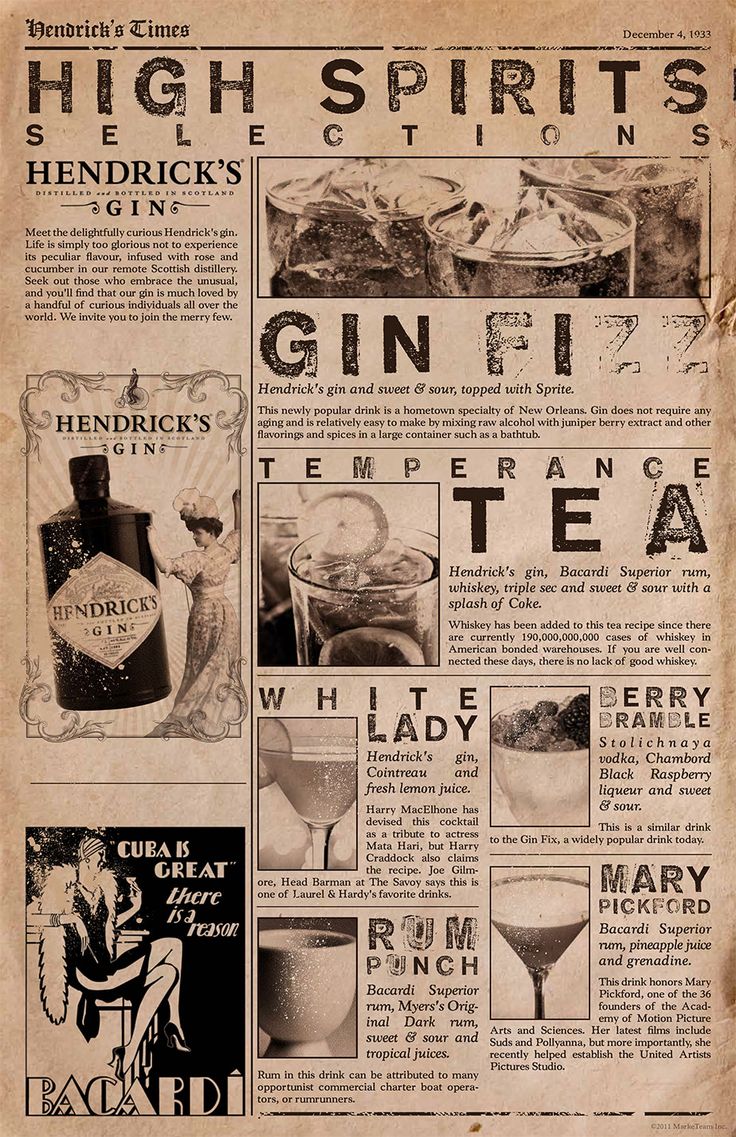

Between 1920 and 1933, the 18th Amendment to the Constitution of the United States, commonly known as Prohibition, completely banned the sale and manufacturing of all alcoholic beverages: distilled spirits, beer, and wine. The ban made millionaires out of bootleggers, who smuggled alcohol into the U.S.
It was clear to some, that millions neither wanted this law nor respected it. There was a huge market for what in the 1920’s was an illegal commodity. It was the gangsters who dominated various cities in order to service this illicit trade. Each major city had its gangster element but the most famous was Chicago with Al Capone.
Unfortunately for its advocates, however, the federal government was never really equipped to enforce Prohibition. Incredibly only 1500 federal agents were given the job of enforcing Prohibition which equates to approximately 30 officers for every state in the union.
Above all, many Americans with a taste for liquor were determined to get hold of alcohol one way or another. Illegal drinking dens had long flourished in big cities. Indeed, the word “speakeasy” probably dates from the late 1880s, but now these establishments bloomed as never before. It is estimated that by 1925 there were as many as 100,000 illegal bars in New York City alone.
A motion to repeal the 18th Amendment came before Congress in early 1933. The House debated the bill for just forty minutes. In the Senate, as Daniel Okrent notes in his history of Prohibition, ‘Of the twenty- two members who had voted for the Eighteenth Amendment sixteen years earlier and were still senators, seventeen voted to undo their earlier work.’ In December 1933, Prohibition officially ended.